How the Bauhaus Taught Design: The Preliminary Course
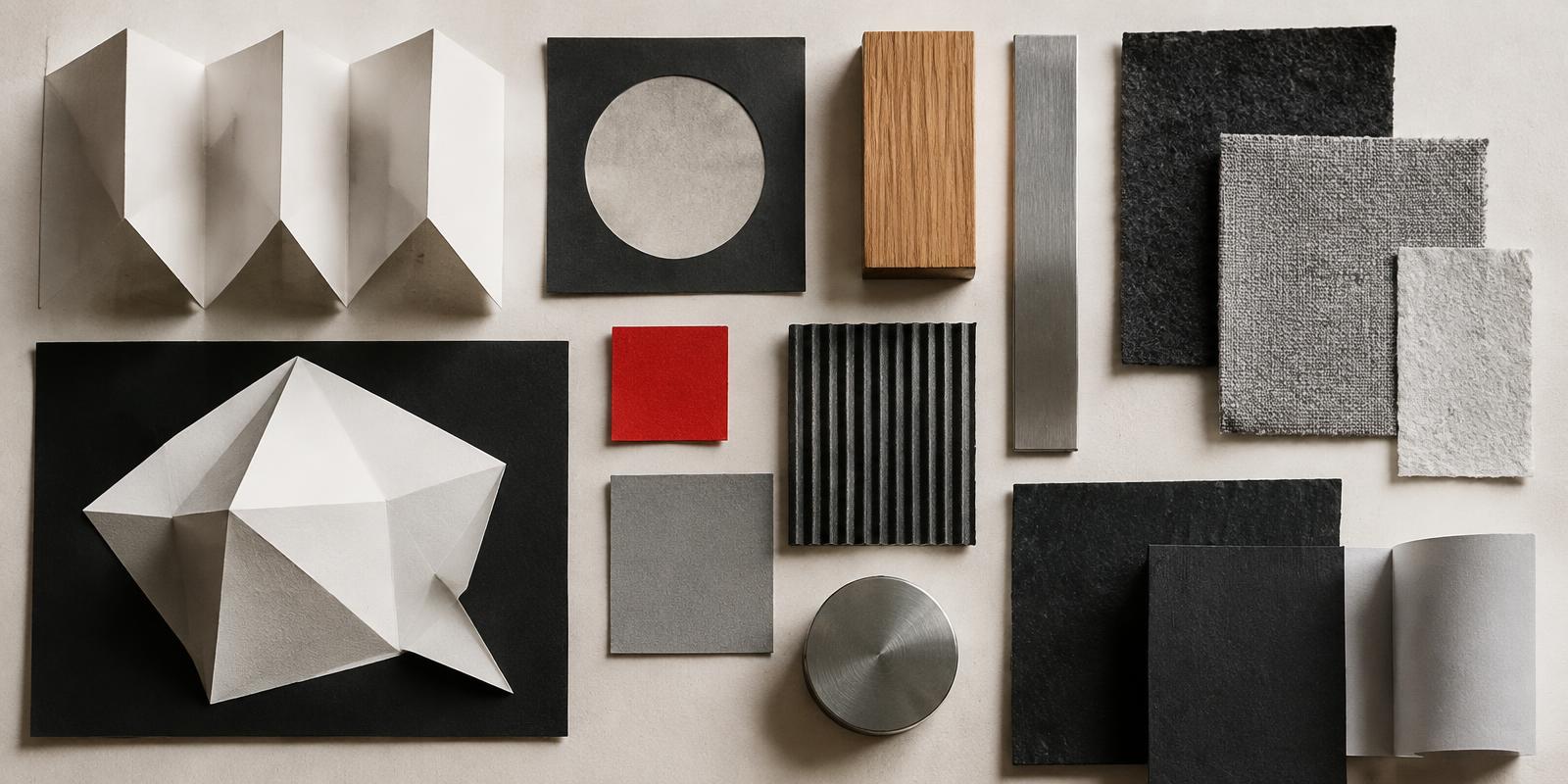
The Bauhaus (1919–1933) asked every new student to unlearn before they learned. The Vorkurs, or preliminary course, developed by Johannes Itten and later by László Moholy-Nagy and Josef Albers, replaced academic copying with direct experiment.
Students explored texture, colour contrast, balance and the behaviour of materials like paper, wood and metal. The goal was not a finished object but an understanding of how form and material behave.
This approach spread worldwide as Bauhaus teachers emigrated in the 1930s, and it still underpins foundation years in art schools today.
Its core idea remains useful: before choosing a style, understand your materials — whether they are paper and ink or pixels and code.
Comments (0)
- No comments yet. Start the conversation.
How Bauhaus Designed the Modern World in Just 14 Years
A short-lived school that dismantled centuries of decorative convention.
Paul Rand and the Idea That Design Is a Way of Thinking
Why the designer behind some of the most durable American logos insisted that form and content are inseparable.
What Makes a Corporate Identity Last for Decades?
Simplicity, systems and stubborn consistency: the quiet principles behind identities that outlive their designers.